Understanding the signs of gambling addiction for a healthier future
Understanding the signs of gambling addiction for a healthier future
Recognizing the Early Signs of Gambling Addiction
Gambling addiction often begins subtly, making it challenging for individuals to recognize when their behavior has crossed the line from casual gaming to a compulsive habit. One of the first signs is an increasing preoccupation with gambling, where thoughts about betting consume a person’s mind, affecting their daily life and responsibilities. This obsessive thinking can lead to neglecting work, personal relationships, and even health. Many people are drawn to online casinos in hopes of making quick money, but this can intensify the cycle of addiction.

Another early indicator is the tendency to gamble with increasing amounts of money. Initially, the thrill of a win may seem harmless, but as losses accumulate, the individual may start risking larger sums to chase those losses, often leading to significant financial strain. Recognizing these patterns early can help individuals seek support before the situation escalates.
The Impact of Gambling on Mental Health
The psychological effects of gambling addiction can be profound, resulting in anxiety, depression, and feelings of isolation. Many individuals struggling with this addiction often find themselves trapped in a cycle of despair, where the fleeting highs of winning are overshadowed by the deep lows of loss. This emotional rollercoaster can exacerbate existing mental health issues or create new ones, making it crucial to understand the relationship between gambling and mental well-being.
Moreover, the stigma surrounding gambling addiction can lead individuals to feel ashamed or embarrassed, discouraging them from seeking help. It’s essential to foster open conversations about mental health and addiction, as this can break down barriers and encourage individuals to reach out for the support they need.
Financial Consequences of Gambling Addiction
Gambling can have devastating financial impacts on both individuals and families. Many who develop an addiction find themselves in debt, using money set aside for essential needs to fund their gambling habits. This can lead to a range of financial problems, including bankruptcy, loss of assets, and strained relationships due to financial stress. Understanding these financial woes is vital, as they often coincide with growing mental health concerns.
In addition to personal financial loss, gambling addiction can affect others. Family members may feel the repercussions of financial instability, leading to conflict and emotional distress. Understanding the financial ramifications of gambling is crucial for those who may be struggling, as it can serve as a wake-up call to seek help and make necessary changes.
Seeking Help and Support for Gambling Addiction
Recognizing the signs of gambling addiction is the first step toward recovery. For those affected, reaching out for help is vital. There are numerous resources available, including support groups, counseling, and professional treatment programs designed specifically for gambling addiction. These support systems provide a safe space for individuals to share their experiences and learn coping strategies.
Engaging with a support network can also alleviate feelings of isolation. Many individuals find comfort in connecting with others who understand their struggles. Whether it’s through therapy or peer support groups, seeking help can lead to a healthier, more fulfilling life free from the grips of addiction.
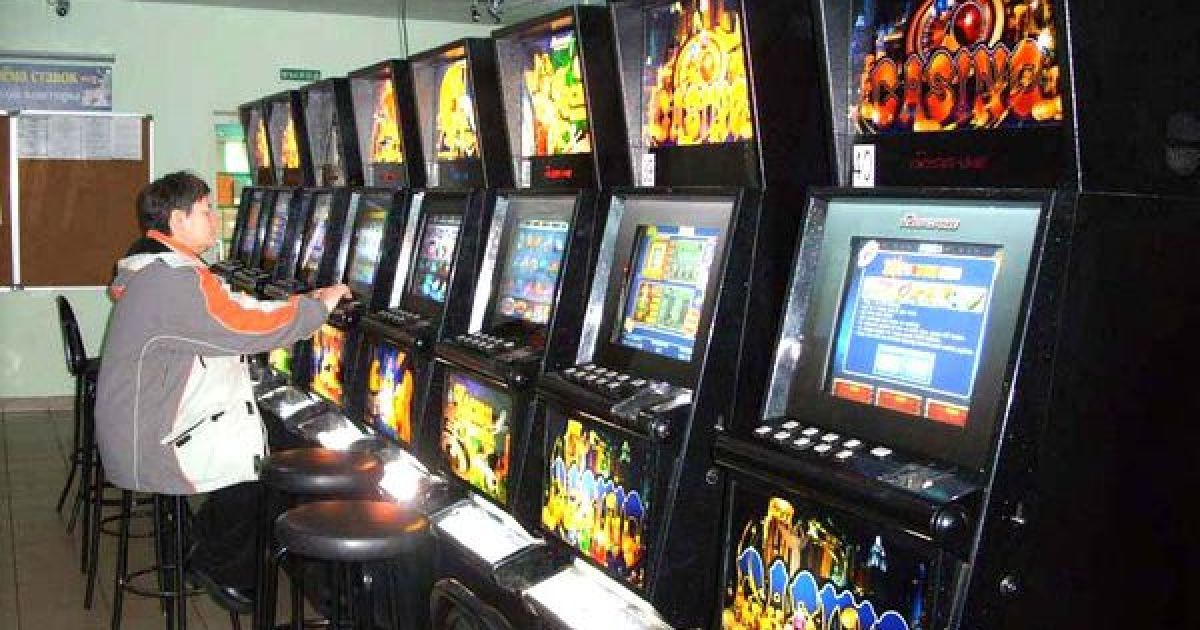
Visit Our Website for More Resources
If you or someone you know is struggling with gambling addiction, our website offers a wealth of resources and information to guide you on the path to recovery. We provide access to support groups, educational materials, and expert advice to empower individuals to take control of their lives and make positive changes.
Our mission is to raise awareness about gambling addiction and its effects while fostering a supportive community. Together, we can work towards a healthier future, free from the challenges of compulsive gambling. Visit us to learn more and find the support you need.
Room Tariff
- Extra Person will be charged seperately
- CP Plan - Room + Complimentary Breakfast
- MAP Plan - Room + Breakfast + Dinner
- EP Plan - Room Only
- Above Rates are for Double Occupancy
- Check In / Check Out - 12 Noon
- Rates subject to change without prior notice
- Child above the age of 5 will be charged.